

Lately, the shadowy realm of darknet markets has garnered growing interest, captivating both law enforcement agencies and an inquisitive public alike. These clandestine platforms, buried within the underground of the darknet, provide an unparalleled venue for a range of products and services, ranging from the forbidden to the arcane. As tech continues to evolve, so too do the methods of trading that thrive in these covert corners of the online space.
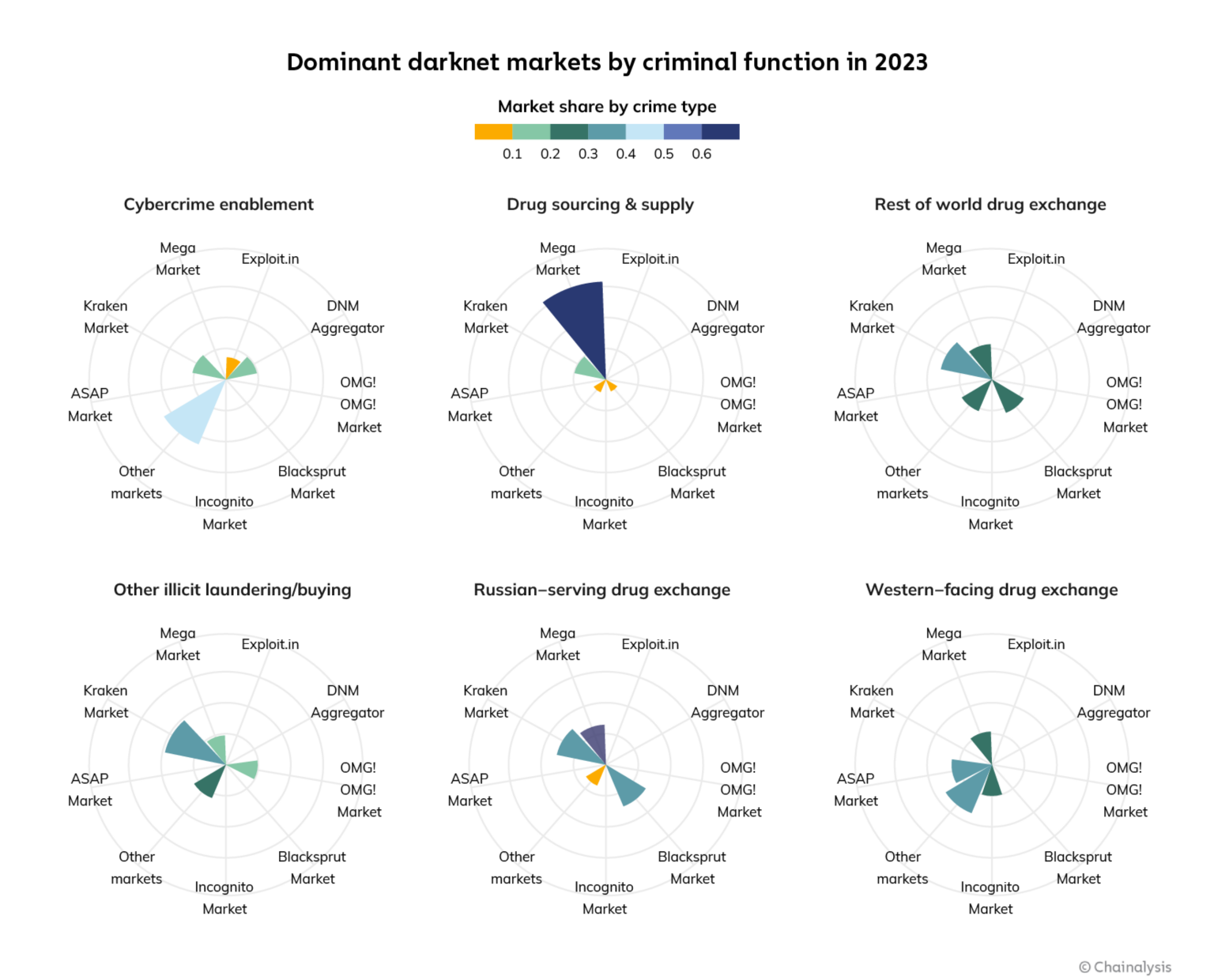
Grasping the economics behind the dark web economy discloses a complex web of incentives, threats, and benefits. Users are attracted into this underground economy not only by the appeal of disguise but also by the possibility of access to items that are often forbidden or intensely monitored in mainstream society. As we dig into this fascinating landscape, we will explore how these markets function, the factors driving their growth, and the consequences they pose for both consumers and sellers traversing the hazardous paths of the hidden internet.
Comprehending the Hidden Web
The dark web is a segment of the World Wide Web that is not cataloged by conventional search engines. Entering this hidden layer requires particular software, most commonly The Onion Router, which hides user identification and places. While the dark web has valid uses, such as protecting privacy for whistle blowers or campaigners in tyrannical regimes, it is often linked with illicit activities. This twofold nature makes it a complicated and captivating space for both participants and researchers.
Underground markets are online platforms within the hidden web where products and services, often prohibited, are acquired and traded anonymously. dark markets 2026 entail cryptocurrencies, which provide a level of privacy that traditional payment methods do not. These venues have gained infamy for conducting trade in controlled substances, firearms, hacked information, and other prohibited goods, attracting a varied customer base with different motivations and requirements. The existence of these markets underscores the ongoing conflict between rights of expression and the control of illicit activities.
The dynamics of the dark web and its venues are influenced by a continuous game of cat and mouse competition between police and owners of these venues. While many dark web markets may be brief due to law enforcement crackdowns, emerging markets emerge to take their role. This endurance reflects an entire industry that prospers on desire for secrecy and illicit products, making the hidden web a compelling area for those looking to comprehend contemporary trade apart from traditional systems.
The Mechanics of Dark Web Trading
Dark web trading operates through a intricate network of sites that allow the transaction of forbidden goods and services. Users connect to these services using specific software such as Tor, which enables concealment by routing connections through a chain of volunteer-operated servers. This anonymity attracts a wide range of users, including vendors, customers, and even authorities. Within these marketplaces, transactions are often executed using cryptocurrencies like Monero, which further obscures users' identities and allows for peer-to-peer transactions without traditional banking interference.
The structure of these marketplaces typically includes user reviews and ratings, which help build confidence within a network where buyers and sellers rarely meet in-person. Each user must set up an account, and new vendors often start out by offering minor portions of their products to establish reputation before scaling their operations. Payment disputes can arise; therefore, many marketplaces employ escrow services to hold payments until both parties confirm the successful delivery of goods. This system provides a layer of safeguard for buyers while ensuring that sellers receive their payments.
Additionally, the life cycle of dark web markets can be fleeting due to continued law enforcement efforts and the ever-evolving tactics of users. Marketplaces frequently rename themselves or migrate to new domains to avoid shutdowns. This creates an environment of instability where traders must remain vigilant and be quick to adapt to maintain their operations. The temporary nature of these platforms enhances the secrecy of transactions and presents persistent challenges for those attempting to control or comprehend the dark web economy.
Challenges and Advantages in Darknet Economies
Engaging in darknet economies presents a special set of risks that can deter new participants and strain even veteran traders. One of the most serious dangers is the juridical risk. Police across the planet are regularly working to access these spaces and capture individuals participating in illegal behavior. The secrecy that the hidden web provides is not infallible, and traders can end up facing severe legal repercussions. Additionally, the risk for scams is high, as not every single vendors can be relied upon, and fraud can lead to loss of money or personal details.
In spite of the inherent dangers, there are substantial rewards for those who successfully traverse the hidden successfully. Many participants turn to these economies for availability to goods that are alternatively restricted or illegal in their areas. This can include everything from pharmaceuticals to virtual currencies. The potential for gain is huge; some traders have reported large profits by making strategic trades on underground items, capitalizing on the unique supply and demand patterns.
Additionally, the sense of togetherness within certain darknet areas can offer a form of social capital that mainstream markets lack. Traders often disseminate knowledge, strategies, and stories, which can boost their trading methods and create connections of help. This camaraderie, combined with the financial incentives, continues to lure new traders to underground spaces, even in the face of the numerous challenges that are associated with such endeavors.